The Credit Gap Nobody Talks About: Why History Still Shows Up on Your Credit Report
Ask most people why their credit score is what it is, and they will talk about missed payments, high balances, maybe a bankruptcy years back. All true. But there is a bigger story sitting underneath a lot of those numbers, and it did not start with any decision an individual made.
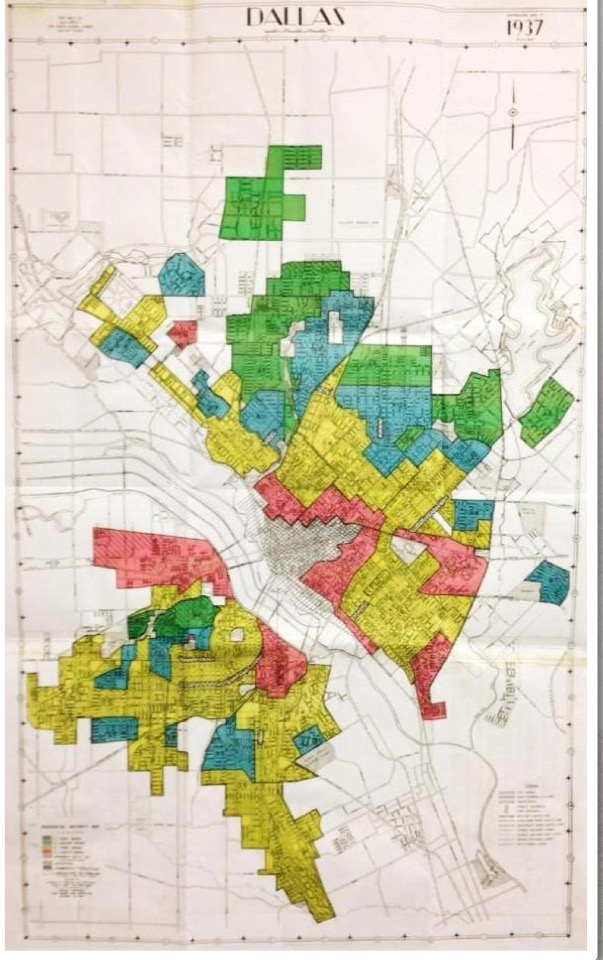
In the 1930s, the federal government created color-coded maps of American cities. Green meant "best," reserved for well-off White neighborhoods. Red meant "hazardous" -- and red was where most Black families lived, regardless of income or credit history. Banks used those maps for decades to decide who could get a mortgage. That practice, redlining, was not outlawed until the Fair Housing Act of 1968.
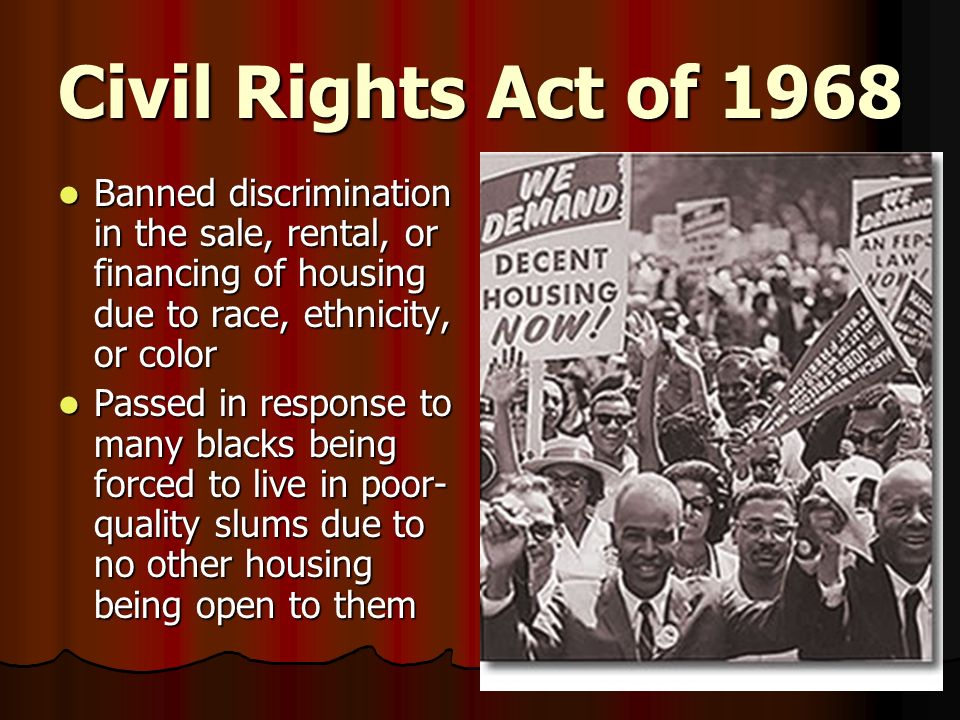
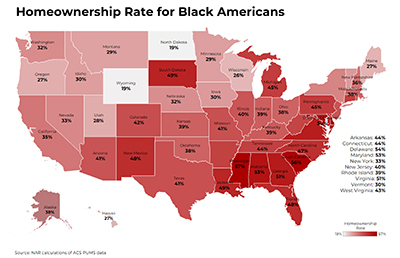
Thirty years is a long time to be locked out of the main way American families have historically built wealth: home equity. And the effects did not stop when the law changed. Research from Redfin found that homeowners in formerly redlined neighborhoods have gained roughly $212,000 less in home equity since 1980 than homeowners in neighborhoods that were graded "desirable." Today, the homeownership gap between Black and White Americans is wider than it was in 1960 -- back when redlining was still legal.
Home equity is not just a number. It is the down payment for the next generation, the collateral for a small business loan, the cushion that keeps a bankruptcy from becoming permanent. When one generation is shut out of it, the next generation starts further behind -- not because of anything they did, but because of what was done to the generation before them.
That history shows up directly in credit files today. A Consumer Financial Protection Bureau study found that Black and Hispanic consumers are considerably more likely to be "credit invisible" -- meaning they have no credit history at all with a nationwide credit bureau -- than White or Asian consumers. About 15 percent of Black and Hispanic adults fall into that category, compared to 9 percent of White adults. The CFPB's own researchers noted that this gap shows up early in adulthood and tends to persist for life, unless something changes the trajectory.
I share all of this not to hand anyone an excuse, and not to suggest nothing can be done. I share it because understanding where the gap came from changes how you close it. If you grew up in a family with no homeowners, no one who ever explained a credit report, no one who had a relationship with a bank that was not extractive -- of course credit can feel like a foreign, rigged system. That instinct to distrust it is not irrational. It is inherited.
But here is the other half of the truth: the tools available right now to build credit from nothing, or rebuild it after it has taken a hit, are more accessible than they have ever been. Reporting your rent. Becoming an authorized user. Starting with a secured card. None of it erases the history above. All of it can change what your grandchildren inherit.
This series is going to walk through exactly how, using real situations -- including two rental cases I lived through myself as a landlord, and my own path back from bankruptcy to being approved for financing again. The history explains why the starting line is not the same for everyone. It does not have to explain where you finish.
Get educated. Get protected. The right knowledge protects your family's legal rights, and helps you protect and build your credit. Get started at educationbusinessautomation.com/legalshield.
This article is for general education and does not replace personalized legal or financial advice.


